Visiting Egypt in April means spring break crowds, two Easters and the last comfortable weeks before the summer heat
Visiting Egypt in April means spring break crowds, two Easters and the last comfortable weeks before the summer heat
Egypt in April is warm, bright and busy. Cairo climbs from the high 70s Fahrenheit at the start of the month to the upper 80s by the end (about 26 to 31 Celsius), Luxor and Aswan push into the mid 90s (around 35 C) after lunch, and the Red Sea sits at its sweetest balance of warm water and bearable air. It is also the month of two Easters: the Western one that brings spring break and Easter week travelers, and the Coptic one that Egypt itself celebrates, followed the next day by Sham el Nessim, the national picnic holiday. Do the west bank of Luxor at dawn, keep afternoons for the ship or the sea, and April becomes one of the best months of the year to be here.
Two Easters and a picnic: the April holiday calendar in Egypt
Most months in Egypt have one story. April has three, and they land on top of each other. First comes Western Easter, which falls in April more often than not. It is not an Egyptian holiday, but it is the week American families with school age kids travel and Europeans arrive for their own break.
Then comes Coptic Easter, the one Egypt's own Christians keep. The Coptic Orthodox Church calculates Easter on the older Julian calendar, so it usually falls one to five weeks after the Western date. Holy Week ends with a midnight liturgy on Saturday night that fills every church in the country.
The morning after Coptic Easter is Sham el Nessim, a public holiday for everyone regardless of faith. The dates of all three move every year, so we check them against your travel window before we build the itinerary.
| Day | Who observes it | What it means for your trip |
|---|---|---|
| Western Easter weekend | Foreign visitors, hotels and cruise ships | Peak demand for cabins and guides, monuments open as normal, an Easter brunch in most hotels |
| Coptic Holy Week and Easter | Egypt's Christian minority | Churches busy in the evenings, Coptic Cairo quieter by day, everything else runs as usual |
| Sham el Nessim (the Monday after Coptic Easter) | The whole country | Banks and offices closed, parks and the Nile banks packed with families, monuments open and lively |
Sham el Nessim, the Monday the whole country goes outside
The name means "smelling the breeze." Sham el Nessim is a spring festival that Egyptians will tell you goes back to the harvest season of the pharaohs, and the way it is kept today is wonderfully unchanged. Families get up early, pack a picnic and head for any patch of green or stretch of river they can find.
The food is the point. Feseekh, a salted and fermented gray mullet with a smell you notice from the next block, is the dish the day is famous for. Around it come smoked herring, hard boiled eggs dyed in bright colors, green onions eaten whole, lettuce and lupini beans by the bag. Try the herring and the eggs; leave the feseekh to the experts unless you have a strong stomach.
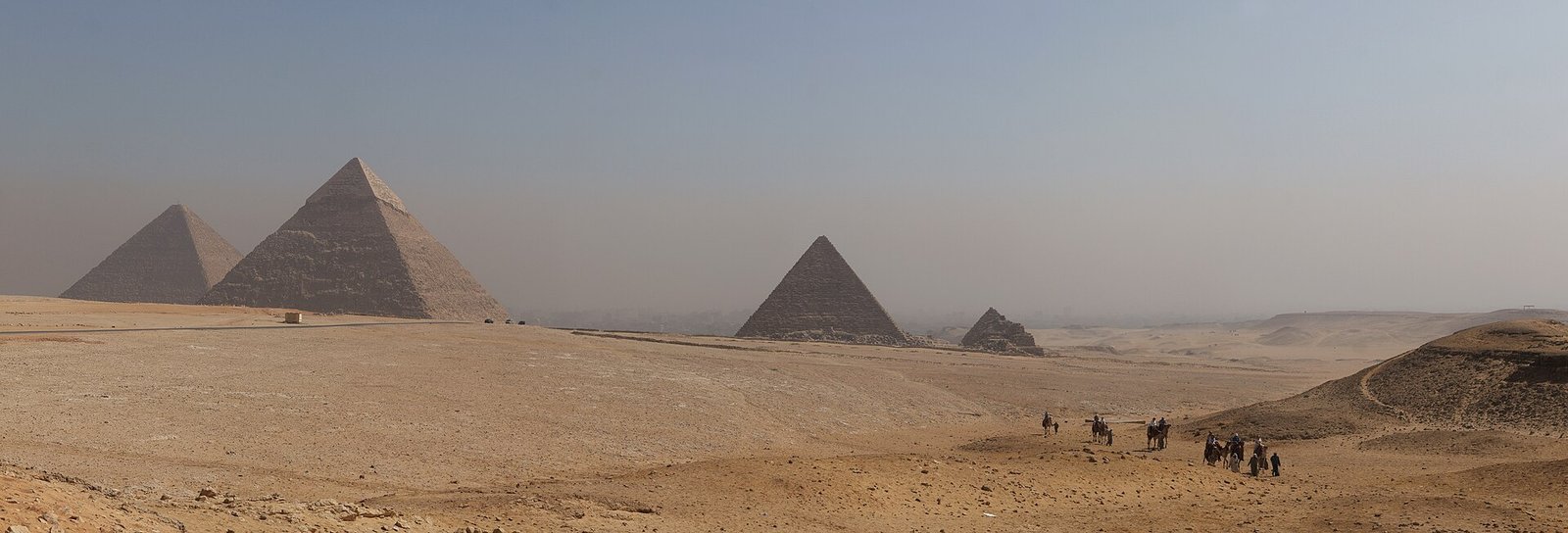
On the ground it is simple. Al Azhar Park, the zoo, the Corniche in Cairo and Alexandria, the Nile islands and the grass around the Giza plateau fill with Egyptians having the best day of their spring. The pyramids stay open and feel unusually joyful, with more local families than tour groups. Visit Giza early, then let your guide take you where ordinary Egyptians spend the day.
How hot Egypt gets in April, region by region
April is the month the country changes gear. The first week can still feel like a perfect spring day in the American South; the last week is the doorstep of summer, especially south of Cairo. These are typical ranges, not a forecast, and a khamsin wind can push any of them higher for a day or two.
Cairo, Giza and Saqqara
Afternoons open the month in the high 70s to low 80s Fahrenheit (about 26 to 28 Celsius) and close it in the upper 80s (around 30 to 31 C). Nights are lovely, in the low 60s F (about 16 to 18 C). Mornings at the pyramids are comfortable all month; early afternoons start to bite in the last ten days.
Luxor and Aswan
Luxor sits in the low 90s F (around 33 to 34 C) early in the month and reaches the mid to upper 90s (36 to 37 C) by the end. Aswan runs a couple of degrees hotter and can touch 100 F (38 C) on a bad afternoon. The good news is the dawn: mornings start in the low to mid 60s F (17 to 19 C), dry and still. An April trip to Upper Egypt is built around those first four hours of daylight.
The Red Sea coast
Hurghada, El Gouna and Sharm el Sheikh hold in the low to mid 80s F (28 to 30 C) by day with a steady breeze off the water, and evenings around 68 F (20 C) that call for a light layer at dinner. The sea has warmed into the low to mid 70s F (22 to 24 C).
The Western Desert and Alexandria
The White Desert and the oases are still doable in the first half of April, with warm days and mild nights. By the last week the daytime heat makes the long drives a chore, and we stop recommending overnight camping until the fall. Alexandria goes the other way: the Mediterranean keeps it in the low to mid 70s F (22 to 24 C) all month, a refreshing day trip from Cairo.
Why the west bank of Luxor has to be done at dawn in April
The Valley of the Kings is a limestone bowl with no shade, no breeze and walls that store the sun's heat. In April, by eleven the rock is radiating, the tomb corridors are stuffy with body heat, and the walk between entrances is a slog. Here is the morning we run for every April group instead.
- Optional balloon flight first. The balloons launch before sunrise and land shortly after it, and April mornings are usually calm enough. Our guide to the hot air balloon over Luxor explains how the morning works.
- Be at the Valley of the Kings when the gate opens. Your guide already has the tickets, and you walk into the first tomb while the buses are still parking in Luxor.
- Three tombs in the first hour, including at least one of the extra ticket tombs if painted ceilings matter to you. Which ones are open rotates; our guide to the Valley of the Kings tickets and tombs explains how to choose on the day.
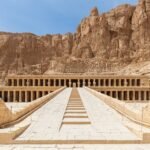
- Hatshepsut's temple by nine. It is built against a cliff that faces the morning sun and becomes an oven by mid morning.
- Medinet Habu or the Colossi of Memnon before eleven, then back across the river to the ship or the hotel for lunch and a swim.
Karnak and Luxor Temple, on the east bank, have columns and shade and suit a late afternoon visit, ideally from around four when the sandstone turns gold. That split is the whole secret to loving Luxor in April.
The Red Sea in April: the best balance of the year
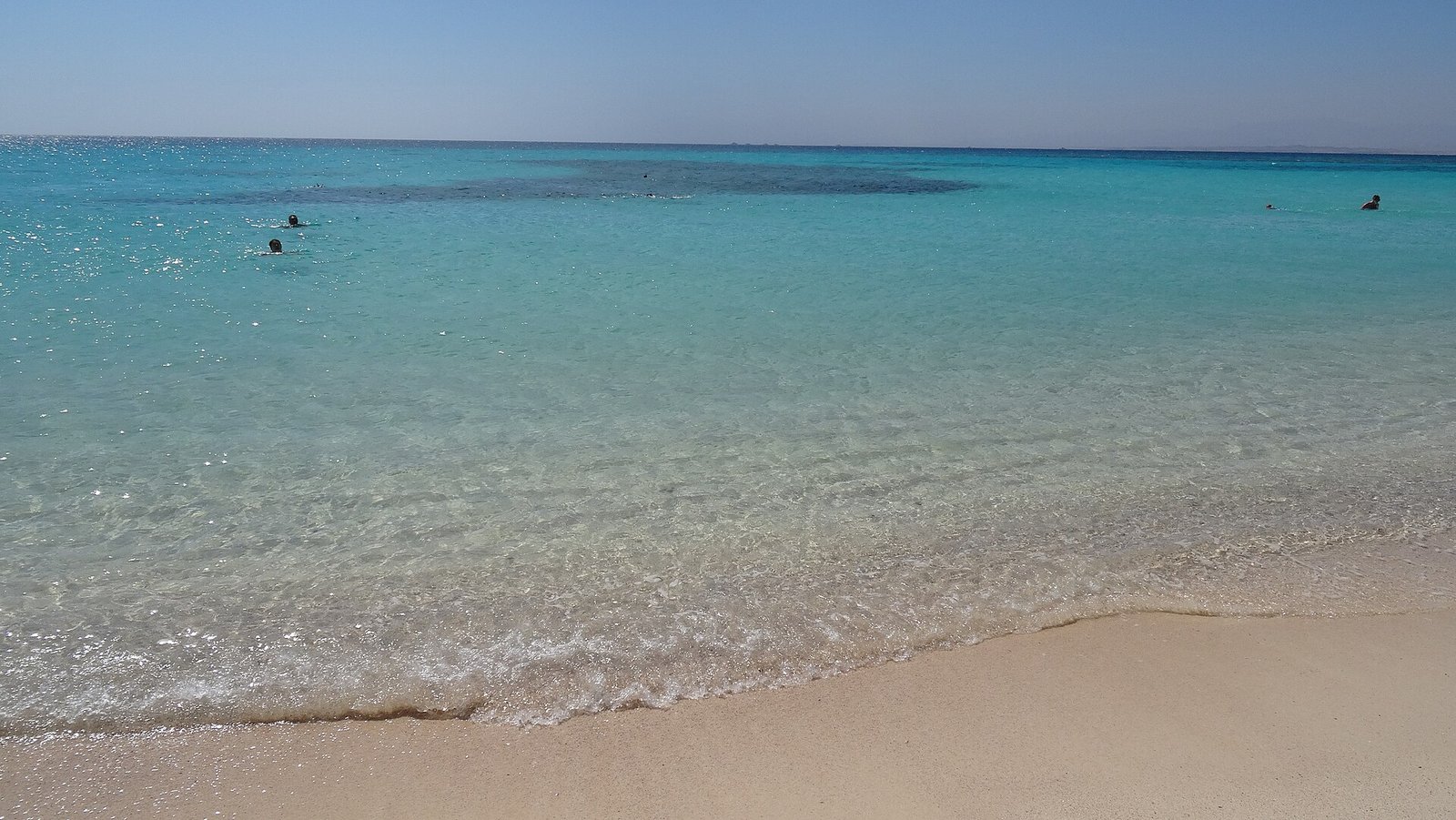
Ask our guides which month they would pick for the coast and most say April. The water has lost the winter chill that makes January snorkeling a wetsuit affair, but the air has not yet reached the July level where you retreat indoors from noon to five.
Visibility on the reefs is generally excellent in spring, the wind keeps the kitesurfing lagoons at El Gouna and Dahab busy without keeping boats in port, and after the first week the evenings are warm enough to eat outside without a jacket. A short wetsuit is still nice for long snorkeling sessions early in the month; by the last week most people go without.
Hurghada and El Gouna are the natural fit after a cruise ending in Luxor, a few hours by road across the mountains. Sharm el Sheikh and Dahab suit divers and anyone who wants to add Mount Sinai. We compare the two coasts in Hurghada or Sharm el Sheikh; the short answer for April is Hurghada for families, Sharm for divers. If your dates overlap Western Easter, book the beach portion as early as the cruise.
How crowded is Egypt in April, and how it compares with December
April is the tail end of high season, and it behaves like two different months. The first half, with spring break and Western Easter, is as busy as any week in winter: ships sail full and the good guides are spoken for. The second half loosens week by week as the heat rises and families go home. By the last days of April you are already in the calmer rhythm we describe in our guide to high and low season in Egypt.
People often weigh April against December, the other end of the season, so here is the comparison as we see it.
| What matters | April | December |
|---|---|---|
| Luxor and Aswan afternoons | Hot, tombs need a dawn start | Mild, any hour works |
| Dawn on the ship's deck | Pleasant in a light sweater | Genuinely cold, jacket required |
| Red Sea swimming | Comfortable, water warming | Cool, wetsuit for long sessions |
| Crowds | Heavy first half, easing second half | Heavy all month, peaking at the holidays |
| Cabin availability | Tight around Easter, opens up late month | Tight everywhere, gala dinners added |
| Daylight | Long days, early sunrise for photos | Short days, sunset around five |
If you want the temples comfortable at any hour of the day, December wins, and our guide to visiting Egypt in December makes that case. If you want the sea, the picnic holiday and long light without the year end crowds, April is the smarter choice. For the whole year in one view, start with our guide to the best time to visit Egypt.
Khamsin days and Ramadan, the two April wildcards
Every honest April guide has to mention the khamsin. It is a hot, dry wind out of the Sahara that blows in spring, named for the roughly fifty days after Coptic Easter when it is most likely. On a khamsin day the sky turns the color of weak tea, the temperature jumps and fine dust gets into everything. Most Aprils bring two or three such days, rarely more than one at a time.
What changes for you: balloon flights are cancelled, open sites are unpleasant for a few hours, and contact lens wearers suffer. Nile ships keep sailing, tombs are unaffected, museums become the obvious plan. We watch the forecast and swap days around when we see one coming.
The second wildcard is Ramadan. The Islamic calendar moves about eleven days earlier each year on the Western calendar, so in some years the holy month touches April and in most years it does not. If your dates coincide with it, expect a different daily rhythm rather than closures: monuments open as usual but sometimes close earlier, restaurants outside hotels are quiet by day and wonderful after sunset, and Cairo's evenings turn into a street festival. Nile cruises run normally.
A ten day April itinerary built around the heat
This is the shape we recommend most often for April, adapted from our standard ten day Egypt itinerary. Cairo comes first while the capital is still mild, Upper Egypt runs on early starts, and the coast closes the trip where afternoon heat is a feature rather than a problem.
- Days one to three, Cairo and Giza. Pyramids and the Sphinx at opening time, then Saqqara. A museum day for the treasures of Tutankhamun. A third morning in Islamic and Coptic Cairo, especially moving during Coptic Holy Week.
- Day four, fly to Aswan. Philae in the late afternoon light, then a felucca at sunset when the day has cooled.
- Day five, Abu Simbel before the heat. Leave Aswan very early, see the temples in the morning, and be back on the ship for lunch as it sails north.
- Days six and seven, the cruise. Kom Ombo and Edfu early or late in the day, with the hottest hours on the sundeck under the awning or in the pool.
- Day eight, Luxor at dawn. The west bank morning described above, Karnak at four, Luxor Temple after dark when it is lit.
- Days nine and ten, the Red Sea. Road transfer to Hurghada or El Gouna, then two days of reef, beach and a very late breakfast.
With twelve days you can add Alexandria or a third day on the coast. With seven you drop the Red Sea and fly back from Luxor.
What to pack for Egypt in April
April packing is easier than winter packing because you are not dressing for cold nights, but the sun and the dust deserve respect. Our general what to pack for Egypt list covers the essentials for any month; these are the April specific additions.
- A wide brimmed hat that stays on in wind, not a baseball cap.
- Loose, long sleeved shirts in light colors, which protect better than sunscreen alone and suit mosques and churches.
- Closed toe walking shoes with grip for the tomb ramps, plus sandals for the ship and the beach.
- One light sweater for dawn on deck, the balloon basket and over cooled restaurants. You will not need a real jacket.
- A buff or scarf you can pull over your nose and mouth on a khamsin day, and eyeglasses instead of contacts for the same reason.
- A refillable bottle. Dehydration sneaks up in dry heat because you do not feel yourself sweating.
Leave the heavy layers at home, and pack modest clothing if you would like to step inside a church during Coptic Easter.
Frequently asked questions
Is April a good month to visit Egypt?
Yes, with one condition: the days in Luxor and Aswan must start at dawn. Cairo is warm and pleasant, the Red Sea is at its best balance of warm water and bearable air, and the two Easters plus Sham el Nessim give the month a festive energy no other month has. The first half is busy with spring break and Easter travelers; the second half is quieter and hotter. Both work if the itinerary respects the afternoon sun.
Is Egypt too hot in April for the temples of Luxor and Aswan?
Not if you visit them at the right hours. Afternoons reach the mid 90s Fahrenheit (around 35 Celsius) by late April, which is too hot for the Valley of the Kings, but mornings start in the low 60s F (about 17 C) and are perfect. We schedule the west bank at gate opening, Karnak in the late afternoon and Luxor Temple after dark, and keep the middle of the day for the ship.
What is Sham el Nessim and will it affect my trip?
Sham el Nessim is Egypt's spring picnic holiday, held on the Monday after Coptic Easter, and everyone celebrates it regardless of religion. Banks and offices close, but the pyramids, tombs and museums stay open. Parks, the Nile banks and the Corniche fill with families eating colored eggs, green onions and salted fish. For a visitor it is a delight, not a disruption. We simply start monuments early and build the afternoon around the celebrations rather than the traffic.
Are the pyramids and museums open on Coptic Easter and Western Easter?
Yes. Neither Easter closes the archaeological sites or the major museums, and Nile cruises sail on their normal schedule. Coptic Easter is a holiday for Egypt's Christians, so churches are packed on Saturday night and Coptic Cairo is quieter on Sunday morning, but Giza, Saqqara and the museums operate as usual. Check the current opening hours with us in the week of your visit, since sites occasionally adjust them around holidays.
Can I swim in the Red Sea in April?
Comfortably. The sea has warmed into the low to mid 70s Fahrenheit (about 22 to 24 Celsius), the air sits in the low to mid 80s (28 to 30 C) and the breeze keeps it pleasant on the beach even in the early afternoon. Long snorkeling sessions early in the month feel better in a short wetsuit; by the last week most people skip it. Visibility on the reefs is usually very good in spring, and boat trips run daily unless a khamsin blows.
How far ahead should I book a Nile cruise for April?
For the first two weeks of April, and for any dates that touch Western Easter, treat it like the winter peak and reserve several months out, because the small luxury ships and the upper deck cabins sell first. For the second half of the month you can usually still find a good ship a few weeks ahead. Send us your dates and we tell you honestly which ships still have the cabin category you want.
Send us your April dates and we build the trip around the sun and the holidays
Tell us when you land, who is traveling and whether you picture yourself on a Nile ship, on a reef or at a Sham el Nessim picnic. We check your dates against both Easters and the khamsin season, schedule every temple for the cool hours, and send a day by day plan with the quote. Our guides, our vehicles, our office in Egypt.